



















 Loading...

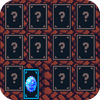
Card Match is fundamentally a memory pair-matching game, but delivered in a cute and easy-to-use interface. The basic concept is straightforward and widely recognized: you are given a grid of facedown cards, and your goal is to locate and pair up all the identical images.
The game is supposed to be intuitive. You tap or click on the cards to interact and reveal the hidden image below. The trick is to remember where you have seen that picture before , so that you can match it successfully with its twin . This classic "Concentration" style gameplay is not only fun, but it's also a great way to work out your short term memory and concentration.
The theme is: A fantastic world of animals
But what really sets Card Match apart is its charming presentation. The game encourages players to unlock “whimsical themes” that feature animals and more. This is not a dry, utilitarian memory test, but a colorful, engaging visual experience.
Animal Themes
There are animals in the game, but the description doesn’t say what the images are. This suggests a cute and friendly visual style, which would be especially appealing to younger players and animal lovers.
Thematic Progression
New themes unlock as you progress through the levels. This is a great motivator, because it means the visuals and soundscapes of the game change as you progress. It’s not the same game over and over, it’s a visual journey each new level and you collect new themes and sounds.
Captivating Sound
The game offers a “enchanting” sound experience, with sounds that are carefully designed to set the mood and provide satisfying feedback for your actions, so that every successful match feels rewarding.
Platform & Developer
The good news is that Card Match is an HTML5 based game that works in the browser. The game is on GamePix and can be played on desktop and mobile devices with support for landscape orientation for a card grid layout. It's web-based, so you don't have to download or install any software. You can play instantly on any device with a modern web browser, whether you’re on a Windows PC, a Mac, a Chromebook, an iPad or an Android tablet. With cross-platform compatibility, it’s a great choice for quick gaming sessions on the go, whenever.
Getting Started: First Steps
Getting started with Card Match is really easy. The game’s controls are as simple and intuitive as possible, so it can be played by players of all ages.
Controls are easy to pick up
The game employs a single, simple control method: tap or click. Just tap the cards you want to flip over on a mobile device. On a computer you click on them with your mouse. The simplicity keeps the focus on the memory challenge itself and not on complicated button combinations.
The main aim is to search and match
From the beginning the goal is clear:
Discover Cards
Your journey begins with a grid of facedown cards. You “discover” the image underneath by tapping or clicking a card.
Find Pairs
The object of the game is to find and match two identical cards. When you do, the pair will probably be discarded from the board or stay face-up, and you will get points.
Finish the Level
The objective is to match all the pairs on the board. When you have successfully matched all the pairs you have completed the level.
Learn the Core Mechanics
While the concept is simple, mastering Card Match requires focus, strategy, and a good memory. Understanding the game's mechanics and employing smart tactics is the key to achieving high scores.
The Fundamentals of Memory and Observation
The game is, at its core, a test of short-term memory and observation. Here’s what that means in practice:
Pay Attention
The most critical skill is simply paying attention to the images you reveal. When you flip a card, note not only what the image is but also where it is located on the grid. This spatial memory is just as important as image recognition.
Concentration is Key
In a game with many cards, it's easy to get distracted. The game requires mental focus to track multiple cards at once.
Visual Recognition
Quickly and accurately identifying the images you see (e.g., the specific animal or object) is crucial for making connections when you see that image again later.
The Strategy of the Reveal
The order in which you flip cards is not random if you're being strategic. Here are some basic strategic approaches:
The Sequential Approach
Some players prefer to go row by row, flipping cards in a systematic order. You will not miss any cards and you will have a nice mental map of the board.
The Two Tap Rule
Remember when you miss a match the cards will be flipped back over. On a single turn, pay close attention to both cards you flip. If they don't match, you've found the location of two cards, not one. Use this information for your next moves.
Concentrate on one card at a time
A common memory trick is to memorize the location of a card you just saw and then put all your attention on finding its pair. The game becomes a simple process of “find the match for this card.”
Professional Strategy: From Beginner to Memory Expert
Once you know the basics, you can use complicated strategies to increase your performance and scores tremendously.
Recognizing the Power of Patterns
As you play you will start to notice patterns in your play and in the layout of the game. This is a very handy skill for advanced players.
Predicting Matches
If you see a card that you've seen before, but can't quite remember where, use process of elimination. If you have already memorized the position of a number of other cards, then the remaining unknown positions are more likely to contain the match.
Learning Image Clusters
If the game uses themed images (such as different types of animals), you may get better at distinguishing between them, reducing the cognitive load of processing the image.
The Quick Look: Memory Games’ ‘Golden Rule’
The most important tip given in the game description is: “Remember the position of cards quickly to chain wins and score high.” This means deliberately recalling:
Active Observation
When you flip a card, don’t just passively look at it. Silently say the name of the image (e.g., “Cat, top-left”) and try to visualize its location on the grid.
Make it Mental
Some memory champions use methods such as linking the image to a story or a location to make it more memorable. For example, if you see a card with “tiger” in the bottom right corner, imagine a tiger in that corner of the room.
Building Muscle Memory
The more you play, the more your brain gets used to the pace of the game. You will find that you are able to process the images and their locations faster and you can store that information better.
Level Up: Take on new challenges
Progressing through levels is a good motivator in Card Match. Completing levels gives you a sense of achievement, but also rewards you with new content.
New Themes
As you advance, you unlock “new themes”. So the images on the cards change. This gives new visual stimuli and prevents the game from becoming stale .
New Sounds
You also unlock “new sounds.” This audio feedback changes the feel of the atmosphere of the game and makes each session feel different.
Keeping players engaged
This progression system keeps the game interesting over the long term. The new content is a promise, something to shoot for besides a high score.
Tips and Tricks for All Players
Here are some practical tips to help you get the most from your Card Match experience.
For Beginners: Laying the Groundwork
Begin Small
Don’t worry about speed. Accuracy matters. If you rush you will get it wrong. Better to take your time and get the positions of the card right.
Take Your Time
The classic version of the game has no time limit, so take as much time as you need to observe and memorize.
Don't Be Afraid to Fail
If you guess wrong, the cards will turn back around, but now you know where two more cards are located.
For the advanced player: Getting the most points
Speed up your recall
Try to speed up your recall when you are sure of your memory. Find the balance between speed and accuracy in your matches. The hint “achieve high scores” suggests speed or efficiency is a factor.
Plan a Route
Take a quick look at the board before you start flipping. Don't just tap around at random, plan a route that gets you to see the most cards in the least number of moves.
Think of the “New Theme” as a Challenge
Unlocking a new theme is like playing a new game. So you have to adapt your visual memory to new images, which is already a great form of cognitive training in itself.
For Parents and Educators Using the Game as an Educational Tool
Educational Benefits
Card Match is a great game to help build concentration, memory and attention to detail. It’s a “fun brain training” activity for kids and adults alike.
Screen Time with a Purpose
This game makes productive use of screen time. You can even play with your child, it is a fun and engaging family activity that helps with their cognitive development.”
Skill Building
The game builds on the skills of pattern recognition and the concept of matching for younger children. These are the building blocks for reading and math.
Common Questions
Here are the most frequently asked questions players have about Card Match.
What purpose does the Card Match serve?
The main goal is to exercise your memory by locating and pairing up identical cards. You tap or click on cards to reveal the pictures hidden underneath and you have to remember their location to successfully match them up.
How to play Card Match?
How you play is simply tapping on a card to flip it over to see what it is. Your job is to remember where the other match card is. You can keep flipping cards until you match all of the pairs on the board and complete the level.
When you finish a level, what happens next?
At the end of a level in Card Match, you move to the next one. You can also unlock “new themes” and “new sounds” that change the visuals and sounds of the game so that it remains fresh and entertaining.
Controls
The controls are very easy you just tap (on a phone or tablet) or click (on a computer) on the cards you want to turn over. It is suitable for people of all ages as it has no complicated controls to learn.
How to win at Card Match? Best Card Match strategy?
The best way to play is to quickly memorize the position of cards. Pay attention to the images you see and where they are. A good strategy is to use a systematic pattern for flipping the cards and make sure to pay close attention to the locations of cards from failed matches as you now know the location of two cards at once.
Conclusion: A Never-Ending Challenge for a Sharp Mind
Card Match is a great example of how a classic game idea can be adapted for a modern audience. With its straightforward approach, delightful themes, and rewarding progression system, it’s a great game for players of all ages. It is proof that you don't need fancy graphics or a convoluted story to make a game that is deeply engaging. Sometimes the most basic form of fun is a simple challenge that puts your mind to the test.
The game perfectly balances relaxation and mental stimulation. You can enjoy the enchanting sounds and whimsical visuals while actively sharpening your memory and concentration. Whether you're looking for a fun way to pass a few minutes or a more extended brain-training session, Card Match delivers a polished and rewarding experience.
So, are you ready for a memory test? Head over to GamePix, tap or click your way into the world of Card Match, and discover the joy of finding the perfect pair. Remember the golden rule: pay close attention, memorize the card positions, and you'll be well on your way to mastering the memory challenge. Happy matching!
Embed this game